The Forgotten King's Code: How a 4000-Year-Old Chinese Character Reveals the Lamb of God
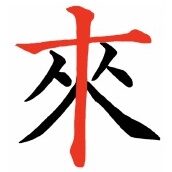
For millennia, the Chinese character for righteousness (義 - yì) held a profound secret, hidden in plain sight. Imagine ancient scholars inscribing a deep truth: that the path to being "right with God"—to achieving worthiness for Heaven—was not through human effort, but through a divine placement. The character itself tells this stunning story: the Sheep (羊), a symbol of sacrifice, is positioned above the individual Me (我). The video explores the argument that this structure is a precise echo of the Gospel, suggesting that long ago, in the dawn of Chinese civilization, the people intuitively understood that the Lamb of God must be placed above the self to attain true righteousness.

The Forgotten King's Code: How a 4000-Year-Old Chinese Character Reveals the Lamb of God
For millennia, the Chinese character for righteousness (義 - yì) held a profound secret, hidden in plain sight. Imagine ancient scholars inscribing a deep truth: that the path to being "right with God"—to achieving worthiness for Heaven—was not through human effort, but through a divine placement. The character itself tells this stunning story: the Sheep (羊), a symbol of sacrifice, is positioned above the individual Me (我). The video explores the argument that this structure is a precise echo of the Gospel, suggesting that long ago, in the dawn of Chinese civilization, the people intuitively understood that the Lamb of God must be placed above the self to attain true righteousness.

The Forgotten King's Code: How a 4000-Year-Old Chinese Character Reveals the Lamb of God
For millennia, the Chinese character for righteousness (義 - yì) held a profound secret, hidden in plain sight. Imagine ancient scholars inscribing a deep truth: that the path to being "right with God"—to achieving worthiness for Heaven—was not through human effort, but through a divine placement. The character itself tells this stunning story: the Sheep (羊), a symbol of sacrifice, is positioned above the individual Me (我). The video explores the argument that this structure is a precise echo of the Gospel, suggesting that long ago, in the dawn of Chinese civilization, the people intuitively understood that the Lamb of God must be placed above the self to attain true righteousness.
The Forgotten King's Code: How a 4000-Year-Old Chinese Character Reveals the Lamb of God
For millennia, the Chinese character for righteousness (義 - yì) held a profound secret, hidden in plain sight. Imagine ancient scholars inscribing a deep truth: that the path to being "right with God"—to achieving worthiness for Heaven—was not through human effort, but through a divine placement. The character itself tells this stunning story: the Sheep (羊), a symbol of sacrifice, is positioned above the individual Me (我). The video explores the argument that this structure is a precise echo of the Gospel, suggesting that long ago, in the dawn of Chinese civilization, the people intuitively understood that the Lamb of God must be placed above the self to attain true righteousness.
The Forgotten King's Code: How a 4000-Year-Old Chinese Character Reveals the Lamb of God
For millennia, the Chinese character for righteousness (義 - yì) held a profound secret, hidden in plain sight. Imagine ancient scholars inscribing a deep truth: that the path to being "right with God"—to achieving worthiness for Heaven—was not through human effort, but through a divine placement. The character itself tells this stunning story: the Sheep (羊), a symbol of sacrifice, is positioned above the individual Me (我). The video explores the argument that this structure is a precise echo of the Gospel, suggesting that long ago, in the dawn of Chinese civilization, the people intuitively understood that the Lamb of God must be placed above the self to attain true righteousness.
The Forgotten King's Code: How a 4000-Year-Old Chinese Character Reveals the Lamb of God
For millennia, the Chinese character for righteousness (義 - yì) held a profound secret, hidden in plain sight. Imagine ancient scholars inscribing a deep truth: that the path to being "right with God"—to achieving worthiness for Heaven—was not through human effort, but through a divine placement. The character itself tells this stunning story: the Sheep (羊), a symbol of sacrifice, is positioned above the individual Me (我). The video explores the argument that this structure is a precise echo of the Gospel, suggesting that long ago, in the dawn of Chinese civilization, the people intuitively understood that the Lamb of God must be placed above the self to attain true righteousness.
The Forgotten King's Code: How a 4000-Year-Old Chinese Character Reveals the Lamb of God
For millennia, the Chinese character for righteousness (義 - yì) held a profound secret, hidden in plain sight. Imagine ancient scholars inscribing a deep truth: that the path to being "right with God"—to achieving worthiness for Heaven—was not through human effort, but through a divine placement. The character itself tells this stunning story: the Sheep (羊), a symbol of sacrifice, is positioned above the individual Me (我). The video explores the argument that this structure is a precise echo of the Gospel, suggesting that long ago, in the dawn of Chinese civilization, the people intuitively understood that the Lamb of God must be placed above the self to attain true righteousness.
The Forgotten King's Code: How a 4000-Year-Old Chinese Character Reveals the Lamb of God
For millennia, the Chinese character for righteousness (義 - yì) held a profound secret, hidden in plain sight. Imagine ancient scholars inscribing a deep truth: that the path to being "right with God"—to achieving worthiness for Heaven—was not through human effort, but through a divine placement. The character itself tells this stunning story: the Sheep (羊), a symbol of sacrifice, is positioned above the individual Me (我). The video explores the argument that this structure is a precise echo of the Gospel, suggesting that long ago, in the dawn of Chinese civilization, the people intuitively understood that the Lamb of God must be placed above the self to attain true righteousness.
The Forgotten King's Code: How a 4000-Year-Old Chinese Character Reveals the Lamb of God
For millennia, the Chinese character for righteousness (義 - yì) held a profound secret, hidden in plain sight. Imagine ancient scholars inscribing a deep truth: that the path to being "right with God"—to achieving worthiness for Heaven—was not through human effort, but through a divine placement. The character itself tells this stunning story: the Sheep (羊), a symbol of sacrifice, is positioned above the individual Me (我). The video explores the argument that this structure is a precise echo of the Gospel, suggesting that long ago, in the dawn of Chinese civilization, the people intuitively understood that the Lamb of God must be placed above the self to attain true righteousness.
The Forgotten King's Code: How a 4000-Year-Old Chinese Character Reveals the Lamb of God
For millennia, the Chinese character for righteousness (義 - yì) held a profound secret, hidden in plain sight. Imagine ancient scholars inscribing a deep truth: that the path to being "right with God"—to achieving worthiness for Heaven—was not through human effort, but through a divine placement. The character itself tells this stunning story: the Sheep (羊), a symbol of sacrifice, is positioned above the individual Me (我). The video explores the argument that this structure is a precise echo of the Gospel, suggesting that long ago, in the dawn of Chinese civilization, the people intuitively understood that the Lamb of God must be placed above the self to attain true righteousness.
The Forgotten King's Code: How a 4000-Year-Old Chinese Character Reveals the Lamb of God
For millennia, the Chinese character for righteousness (義 - yì) held a profound secret, hidden in plain sight. Imagine ancient scholars inscribing a deep truth: that the path to being "right with God"—to achieving worthiness for Heaven—was not through human effort, but through a divine placement. The character itself tells this stunning story: the Sheep (羊), a symbol of sacrifice, is positioned above the individual Me (我). The video explores the argument that this structure is a precise echo of the Gospel, suggesting that long ago, in the dawn of Chinese civilization, the people intuitively understood that the Lamb of God must be placed above the self to attain true righteousness.
The Forgotten King's Code: How a 4000-Year-Old Chinese Character Reveals the Lamb of God
For millennia, the Chinese character for righteousness (義 - yì) held a profound secret, hidden in plain sight. Imagine ancient scholars inscribing a deep truth: that the path to being "right with God"—to achieving worthiness for Heaven—was not through human effort, but through a divine placement. The character itself tells this stunning story: the Sheep (羊), a symbol of sacrifice, is positioned above the individual Me (我). The video explores the argument that this structure is a precise echo of the Gospel, suggesting that long ago, in the dawn of Chinese civilization, the people intuitively understood that the Lamb of God must be placed above the self to attain true righteousness.
The Forgotten King's Code: How a 4000-Year-Old Chinese Character Reveals the Lamb of God
For millennia, the Chinese character for righteousness (義 - yì) held a profound secret, hidden in plain sight. Imagine ancient scholars inscribing a deep truth: that the path to being "right with God"—to achieving worthiness for Heaven—was not through human effort, but through a divine placement. The character itself tells this stunning story: the Sheep (羊), a symbol of sacrifice, is positioned above the individual Me (我). The video explores the argument that this structure is a precise echo of the Gospel, suggesting that long ago, in the dawn of Chinese civilization, the people intuitively understood that the Lamb of God must be placed above the self to attain true righteousness.
The Forgotten King's Code: How a 4000-Year-Old Chinese Character Reveals the Lamb of God
For millennia, the Chinese character for righteousness (義 - yì) held a profound secret, hidden in plain sight. Imagine ancient scholars inscribing a deep truth: that the path to being "right with God"—to achieving worthiness for Heaven—was not through human effort, but through a divine placement. The character itself tells this stunning story: the Sheep (羊), a symbol of sacrifice, is positioned above the individual Me (我). The video explores the argument that this structure is a precise echo of the Gospel, suggesting that long ago, in the dawn of Chinese civilization, the people intuitively understood that the Lamb of God must be placed above the self to attain true righteousness.
The Forgotten King's Code: How a 4000-Year-Old Chinese Character Reveals the Lamb of God
For millennia, the Chinese character for righteousness (義 - yì) held a profound secret, hidden in plain sight. Imagine ancient scholars inscribing a deep truth: that the path to being "right with God"—to achieving worthiness for Heaven—was not through human effort, but through a divine placement. The character itself tells this stunning story: the Sheep (羊), a symbol of sacrifice, is positioned above the individual Me (我). The video explores the argument that this structure is a precise echo of the Gospel, suggesting that long ago, in the dawn of Chinese civilization, the people intuitively understood that the Lamb of God must be placed above the self to attain true righteousness.
The Forgotten King's Code: How a 4000-Year-Old Chinese Character Reveals the Lamb of God
For millennia, the Chinese character for righteousness (義 - yì) held a profound secret, hidden in plain sight. Imagine ancient scholars inscribing a deep truth: that the path to being "right with God"—to achieving worthiness for Heaven—was not through human effort, but through a divine placement. The character itself tells this stunning story: the Sheep (羊), a symbol of sacrifice, is positioned above the individual Me (我). The video explores the argument that this structure is a precise echo of the Gospel, suggesting that long ago, in the dawn of Chinese civilization, the people intuitively understood that the Lamb of God must be placed above the self to attain true righteousness.
The Forgotten King's Code: How a 4000-Year-Old Chinese Character Reveals the Lamb of God
For millennia, the Chinese character for righteousness (義 - yì) held a profound secret, hidden in plain sight. Imagine ancient scholars inscribing a deep truth: that the path to being "right with God"—to achieving worthiness for Heaven—was not through human effort, but through a divine placement. The character itself tells this stunning story: the Sheep (羊), a symbol of sacrifice, is positioned above the individual Me (我). The video explores the argument that this structure is a precise echo of the Gospel, suggesting that long ago, in the dawn of Chinese civilization, the people intuitively understood that the Lamb of God must be placed above the self to attain true righteousness.
The Forgotten King's Code: How a 4000-Year-Old Chinese Character Reveals the Lamb of God
For millennia, the Chinese character for righteousness (義 - yì) held a profound secret, hidden in plain sight. Imagine ancient scholars inscribing a deep truth: that the path to being "right with God"—to achieving worthiness for Heaven—was not through human effort, but through a divine placement. The character itself tells this stunning story: the Sheep (羊), a symbol of sacrifice, is positioned above the individual Me (我). The video explores the argument that this structure is a precise echo of the Gospel, suggesting that long ago, in the dawn of Chinese civilization, the people intuitively understood that the Lamb of God must be placed above the self to attain true righteousness.